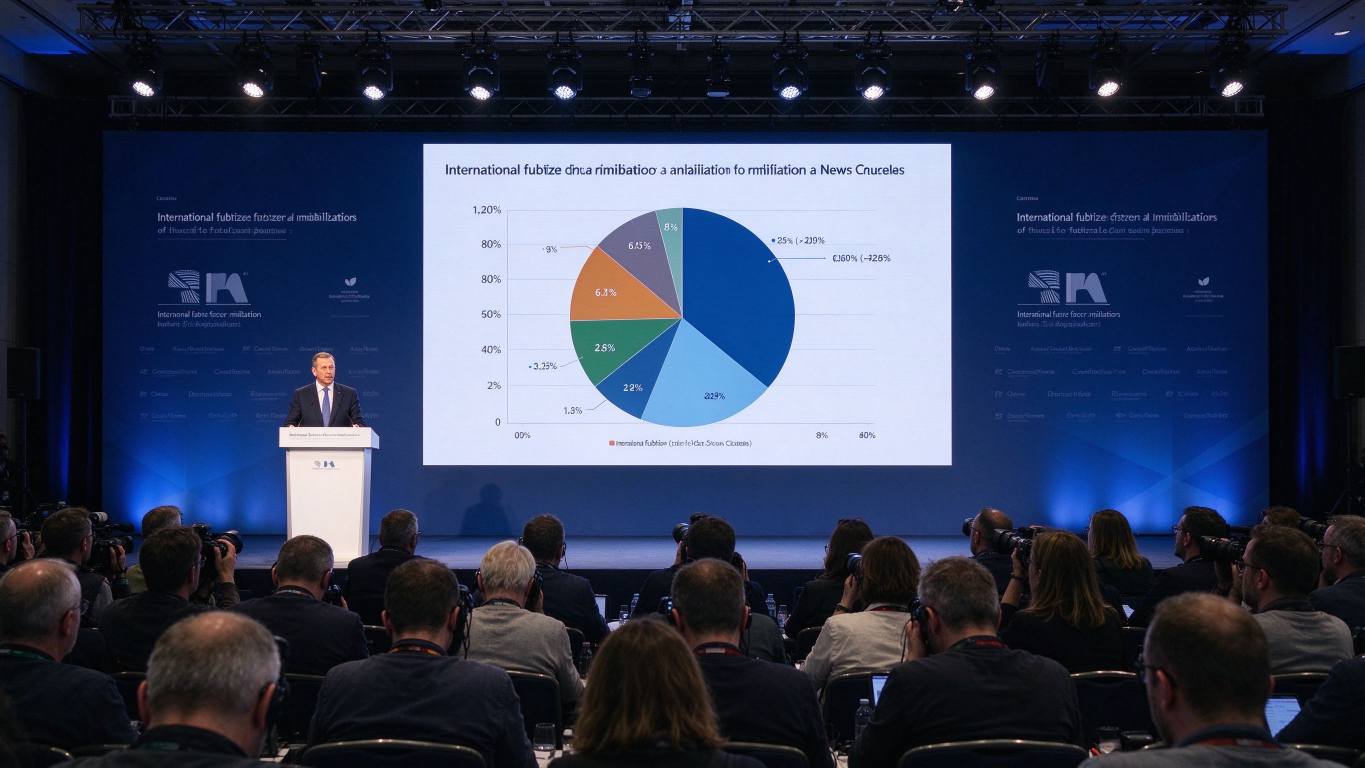


ZURICH, SWITZERLAND — November 20, 2019 — The International Textile Manufacturers Federation (ITMF) released its annual overview of new textile machinery shipments, providing a detailed snapshot of global investment trends across spinning, weaving, and knitting segments. The report, known as the ITMF–Schindler ITMSS survey, covers shipments of large circular knitting machines broken down by single jersey, double jersey, and jacquard categories.
The 2019 data reflected a mixed picture for the circular knitting sector. While overall shipments remained stable compared with 2018, the regional distribution continued to shift toward South and Southeast Asia. China, long the dominant single market for circular knitting machines, saw a slight decline in new orders as domestic textile capacity reached maturity. Meanwhile, Vietnam, Bangladesh, Indonesia, and India posted consistent growth as apparel brands diversified their sourcing away from China.
Within the circular knitting category, the report tracked four sub-segments: single jersey machines up to 24 inches, single jersey machines of 26 inches and above, double jersey machines up to 24 inches, and double jersey machines of 26 inches and above. The trend toward wider machines was clear, with the larger-diameter categories growing faster than the smaller ones — a reflection of mills seeking higher output per machine and lower labor cost per kilogram of fabric.
The ITMF report also highlighted the growing role of technical textiles in driving circular knitting demand. Medical textiles, automotive interior fabrics, and geotextiles required specially configured tubular knitting equipment with stable yarn feeding and precise tension control. These specialized applications commanded premium prices and were less susceptible to the commodity-level competition that pressured standard single jersey machine margins.
Industry analysts noted that the 2019 data provided a baseline against which the coming year’s disruption would be measured. “No one reading the numbers in November 2019 could have predicted what was coming,” one observer later remarked. The ITMF statistics would become an important reference point for understanding the scale of the 2020 downturn — and the pace of recovery that followed.