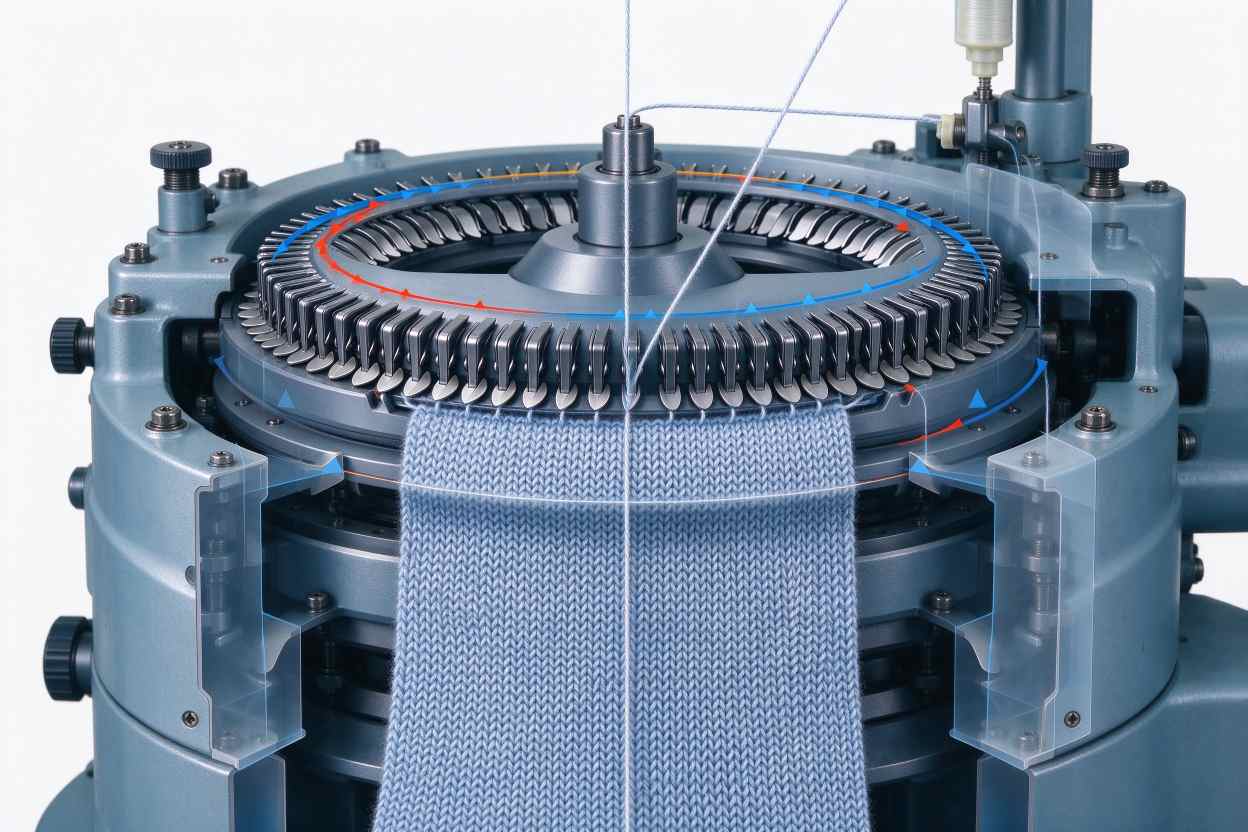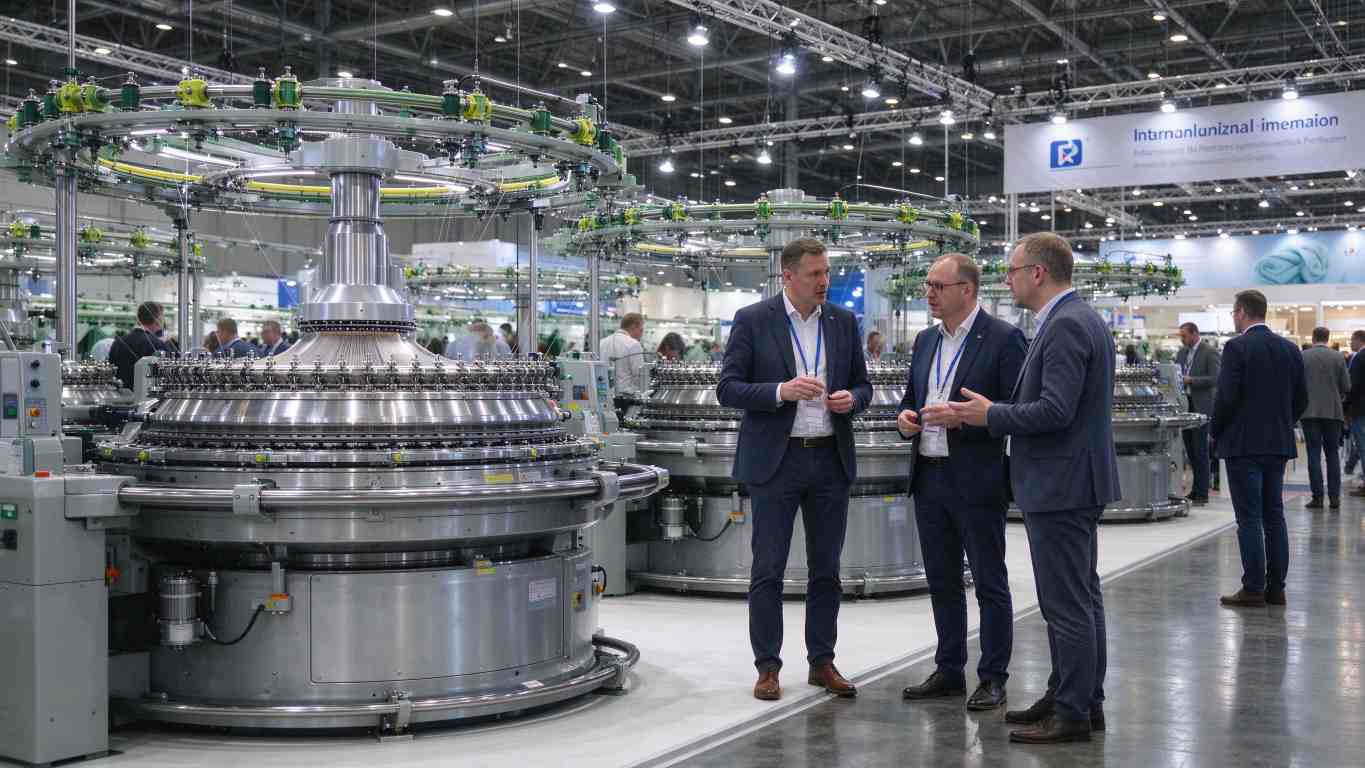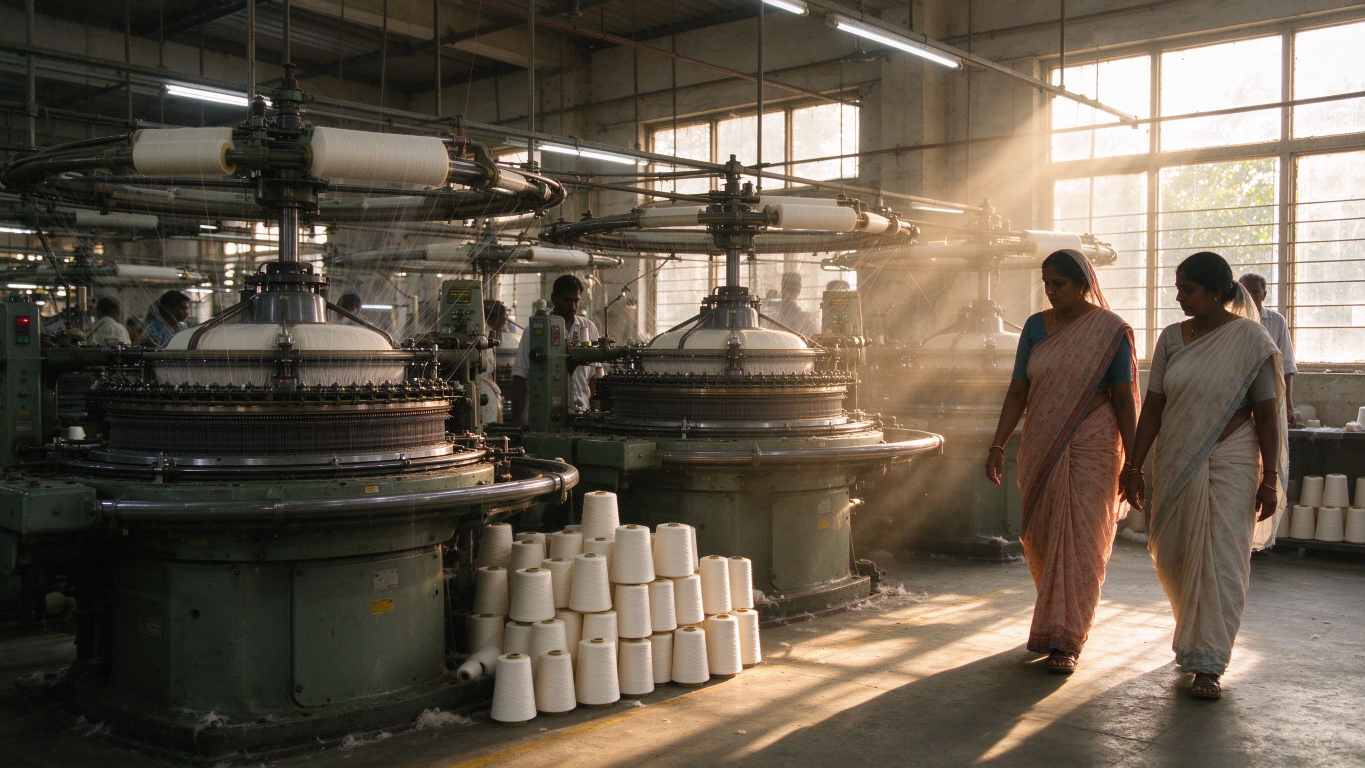

The circular knitting machine is the core equipment for producing seamless tubular knit fabrics, widely used for T-shirts, fleece, rib and many apparel textiles. Its operation relies on the coordinated movement of the needle cylinder, knitting needles, cam tracks and sinkers to continuously form fabric loops.
Single Jersey Circular Knitting Machine
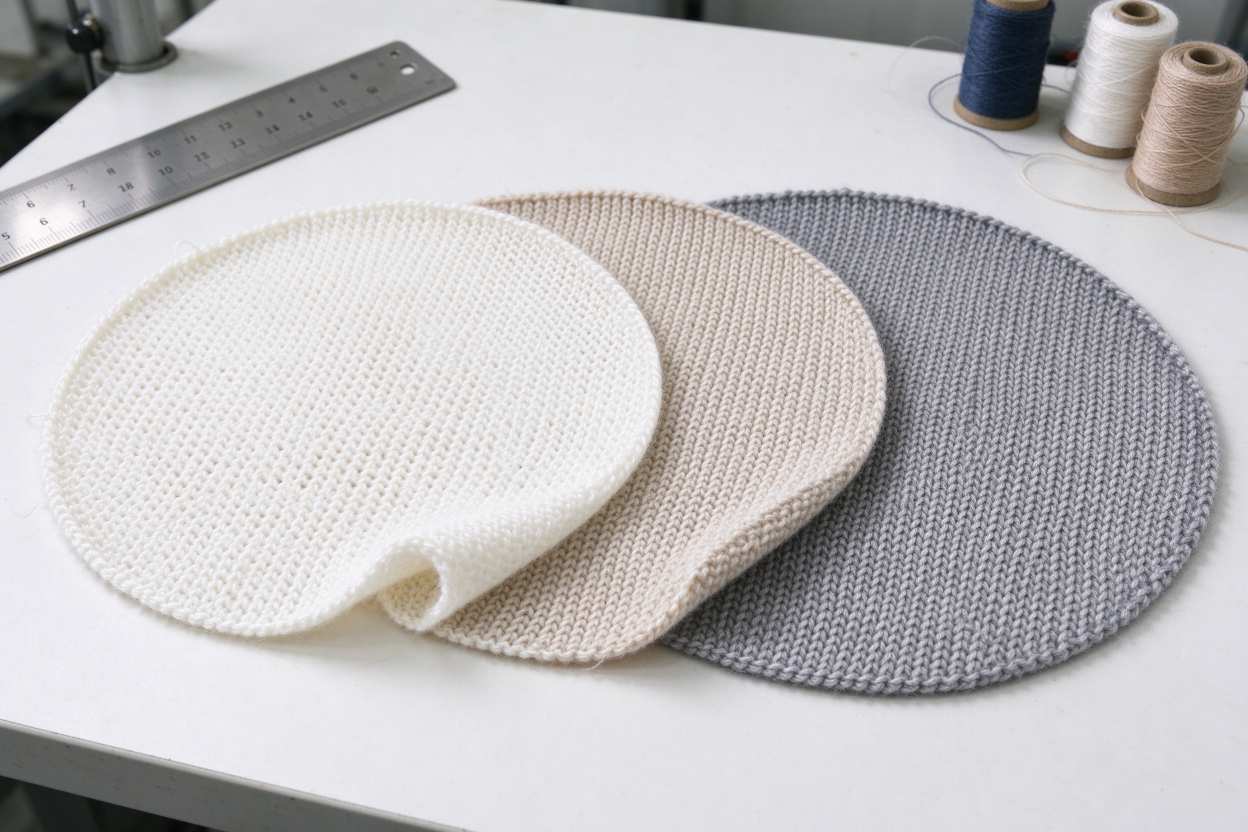
Single jersey machines adopt a needle cylinder paired with sinkers. Sinkers hold the yarn while needles complete the loop-forming cycle. The fabric produced has different front and back sides, typical for lightweight cotton jersey used in casual wear.
Double Jersey Circular Knitting Machine
Double jersey machines feature both an upper needle dial and lower needle cylinder with two sets of needles working together. This structure creates stable double-layer fabrics such as rib fabric and air layer fabric, with better elasticity and thickness than single jersey.
The Complete Loop Formation Cycle
A full knitting cycle includes yarn feeding, needle closing, yarn bending, loop forming and stitch clearing. The tubular grey fabric is pulled down continuously by the take-down roller system.
Single vs Double Jersey Machine Quick Comparison
Single jersey machines are simpler, lower investment and faster for lightweight fabric. Double jersey delivers thicker, more dimensionally stable fabrics but requires higher precision adjustment.
Conclusion
Understanding the basic knitting mechanism helps your team reduce trial-and-error during fabric development and machine setup. Selecting between single and double jersey models depends fully on your target fabric specification.
CTA: Contact BUEN-KNIT today to discuss your circular knitting machine solution for your fabric production.