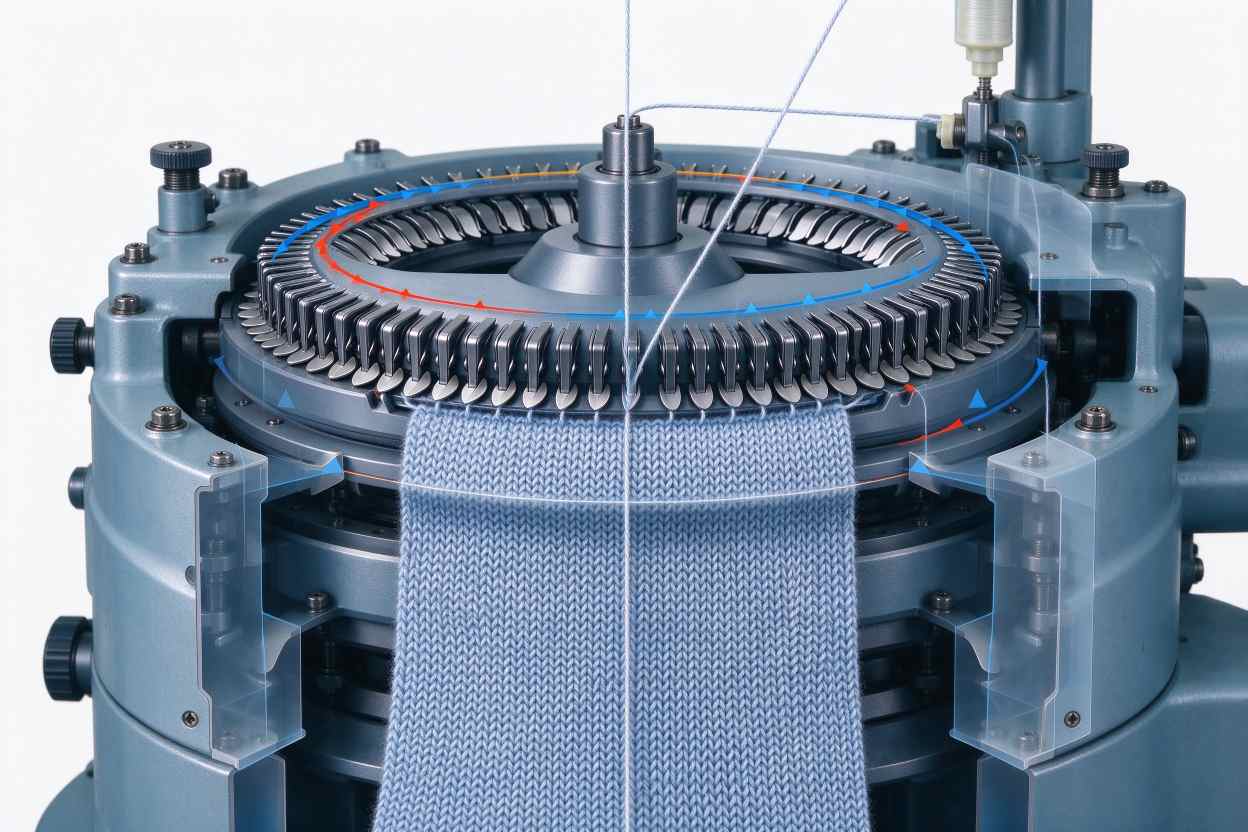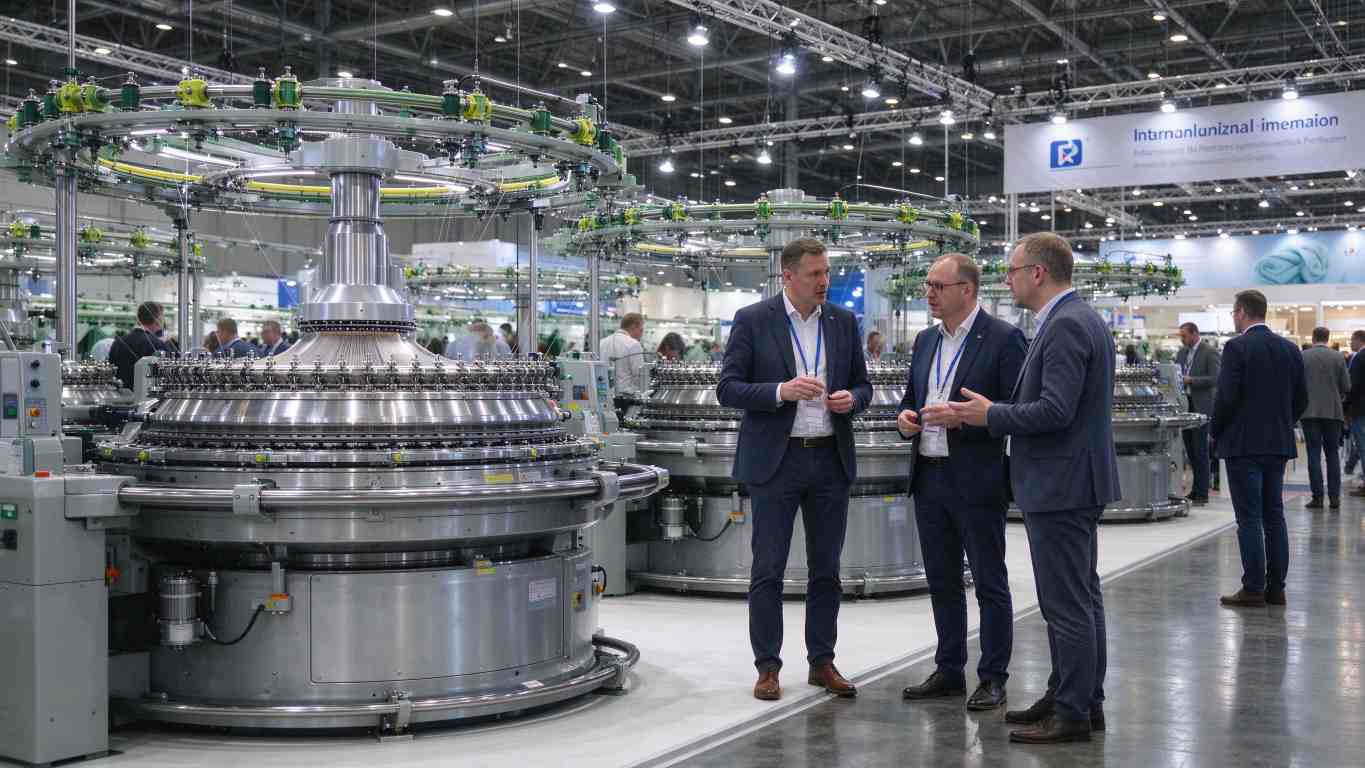

Circular knitting machine technology has evolved from a mechanical production tool into a highly integrated system that combines precision engineering, digital control, and material innovation. As the global textile industry continues to demand higher productivity, greater flexibility, and consistent quality, circular knitting machines have become central to the manufacturing of apparel fabrics, sportswear, home textiles, and technical textiles.
One of the most significant trends in recent years is the shift toward electronic control systems. Modern circular knitting machines are equipped with advanced servo drives, electronic stitch control, and real-time monitoring systems that allow manufacturers to adjust loop length, fabric density, and pattern complexity with greater accuracy. This electronic control not only improves fabric quality but also reduces setup time and enables faster changeovers between different production batches.
Digitalization is also playing an important role. Many new machines support data connectivity, enabling production data to be collected and analyzed throughout the knitting process. Operators can monitor machine speed, yarn tension, stitch quality, and downtime events, allowing for proactive maintenance and better process control. For textile manufacturers, this means higher operational efficiency, lower material waste, and more stable production output.
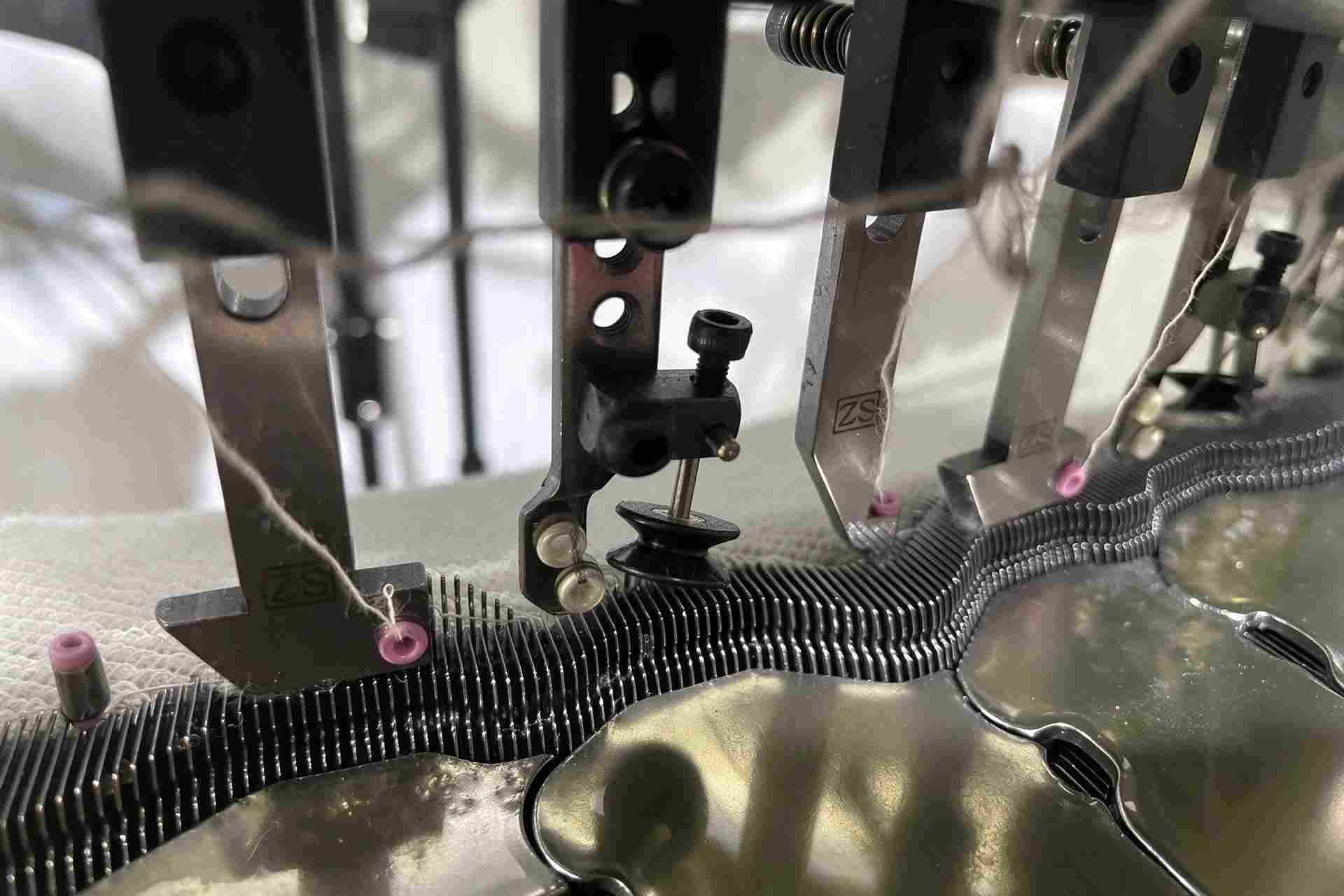
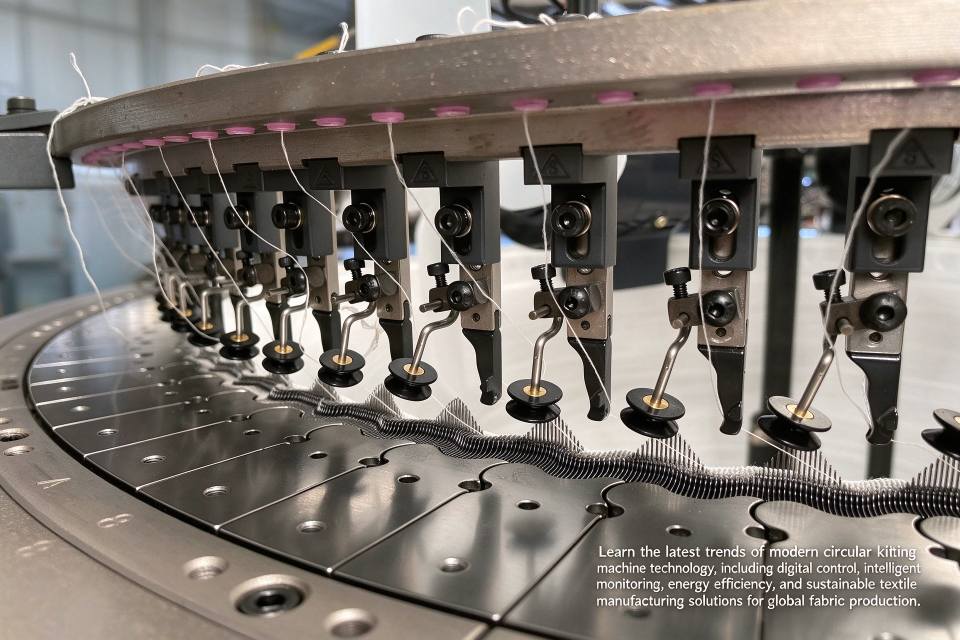
Another key development is the focus on energy efficiency and sustainability. Circular knitting machines are being designed with lighter mechanical components, optimized drive systems, and reduced energy consumption per kilogram of fabric produced. At the same time, improved yarn guidance systems and more precise needle control help reduce yarn breakage and fabric defects, supporting cleaner and more efficient manufacturing.
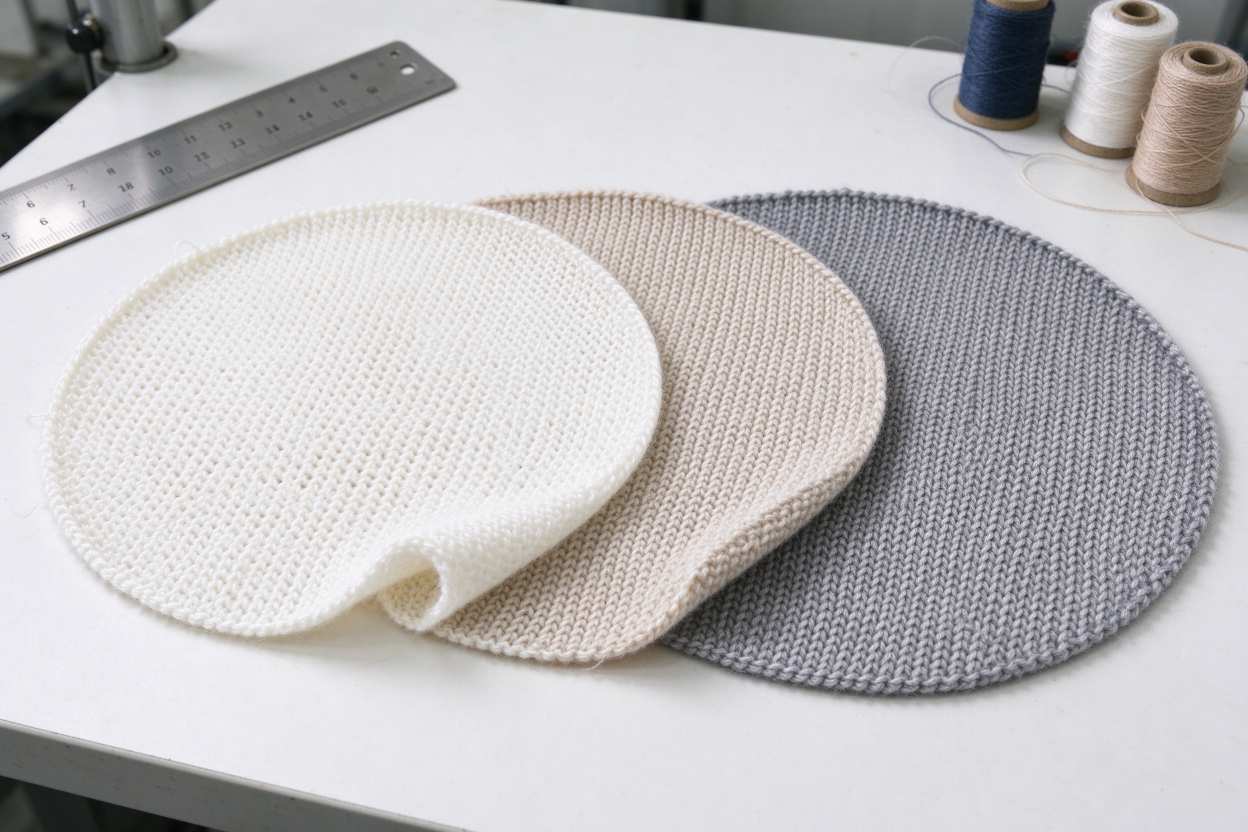
The market for circular knit fabrics remains strong, particularly in sportswear, activewear, and casual apparel. These segments demand stretchable, breathable, and dimensionally stable fabrics—properties that circular knitting technology can deliver consistently. As a result, machine manufacturers are continuing to innovate in areas such as high-speed knitting, fine-gauge capability, pattern versatility, and compatibility with synthetic, natural, and functional yarns.
In conclusion, circular knitting machine technology is advancing rapidly through electronics, digital monitoring, sustainability, and material compatibility. For textile producers, investing in modern circular knitting systems is no longer just about increasing output—it is about improving quality, flexibility, and competitiveness in a fast-changing market.